Hi, I’m back again with my blogs with awesome topic “organic farming”. I believe that most of the people had an idea about the organic food, pros, cons and difference between the non-organic food and its side effects so on. I think it’s time to grow your vegetables, fruits etc by your own, may be on rooftop, gardens, small vases etc. You can enjoy fresh and quality food grown in your orchards. So, in this blogs i’m aiming to provide knowledge on organic farming and some useful information regarding organic farming in New Zealand
The organic farming is also known as
biological or ecological farming) started in New Zealand in the 1940s as an
alternative to using synthetic chemicals in farming and food production. The
skills and techniques which had been developed in home vegetable gardens and
orchards began to be applied to larger commercial enterprises. Organic farming
practices in New Zealand date from 1930 but began on a commercial scale in the
1980s and is now an increasing segment of the market with some of the larger
companies such as Wattie’s becoming involved. The soil & Health Association
of New Zealand established in 1941, promotes organic food and farming in New
Zealand. Organics Aotearoa New Zealand formed in 2005 as an umbrella
organisation to represent all aspects of organics in New Zealand. Willing Workers
on Organic Farms
(WWOOF), a network of organisations around the world placing volunteers on
organic farms, have operated in New Zealand since 1974.
Rachel Carson’s 1962 book “silent spring” warned against the effects of pesticides on the environment, adding to the impetus for organic farming in New Zealand and elsewhere. People were concerned about the toxic agricultural chemicals such as DDT had become widespread and persistent in the environment, in food, and in humans.
[SOURCE: https://teara.govt.nz/en/organic-farming/page-1
https://en.wikipedia.org/wiki/Organic_farming_in_New_Zealand ]

What is Organic Farming????
Organic farming is a production method that involves much more than choosing not to use pesticides or fertilisers and other similar products. The principal goal of organic production is to develop enterprises that are sustainable and harmonious with the environment in what could be described as a holistic system. According to United states Department of Agriculture (USDA) guidelines state that farmers use agricultural methods that preserve the environment and avoid synthetic farming and agricultural materials. Almost all organic farming systems rely on alternative farming methods, such as crop rotation, mechanical cultivation, animal manures, green manure, and integrated pest management to maintain healthy soil, grow healthy plants, and control pests and weeds.
In New Zealand organic farming is still very small comparing to some of the countries, it covers just 1.1% of total farmland versus Australia (2.9%), Austria (19%) and Sweden (15.7%). The number of New Zealanders who agree they buy organic foods sometimes, all or most of the time went up from 59% in 2011, to 72% in 2014. 78% of New Zealanders believe it’s important for NZ to grow and market food that’s organic and GM- free. 86% of New Zealanders believe organic products are good for them and their families, and 71% believe it’s good for the world. More than half of consumers are prepared to pay more for food and other products that are certified organic.
[Source: NZ Organic Market report (2012), Organics Aotearoa New Zealand,
Better Business Better Future Report, Colmar Brunton (2014)]
Organic farming isn’t just a trend. It’s a sustainable lifestyle that has many important benefits over non-organic farming. Whether you’re already a farmer, looking to transition toward organic farming methods, or you’re wondering how to start an organic farm, there is plenty of information to help you get started.
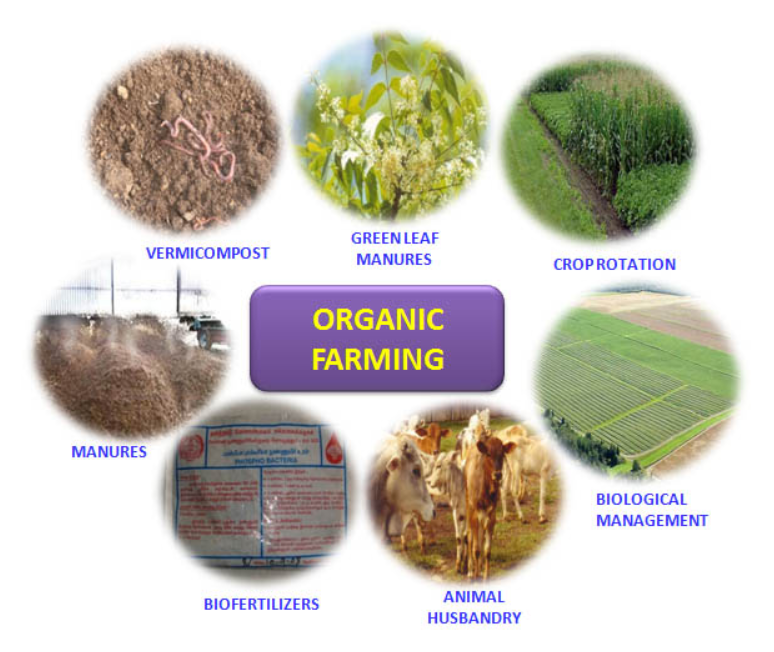
METHODS OF ORGANIC FARMING
- Assembling your garden
- Testing soil
- consideration of climate and timing for crop growth
- Visit a local farmer’s market
- Using organic fertilizer
- Crop Rotation
- Weed Management



 Organic Food's blog